Choosing the right growing medium is an important part of successful commercial horticulture. The growing medium can affect moisture management, drainage, aeration and the overall growing environment around plant roots.
Cocopeat is a popular growing medium for greenhouse cultivation, nurseries and hydroponic systems. With different grades and formats available, understanding what to look for can help Australian growers choose the right cocopeat for their specific growing needs.
What Is Cocopeat for Commercial Growing?
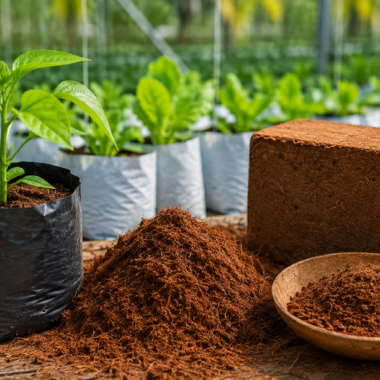
Cocopeat is a natural growing medium made from processed coconut husk fibre. Its lightweight and porous structure provides a suitable environment for plant roots while helping manage moisture and airflow.
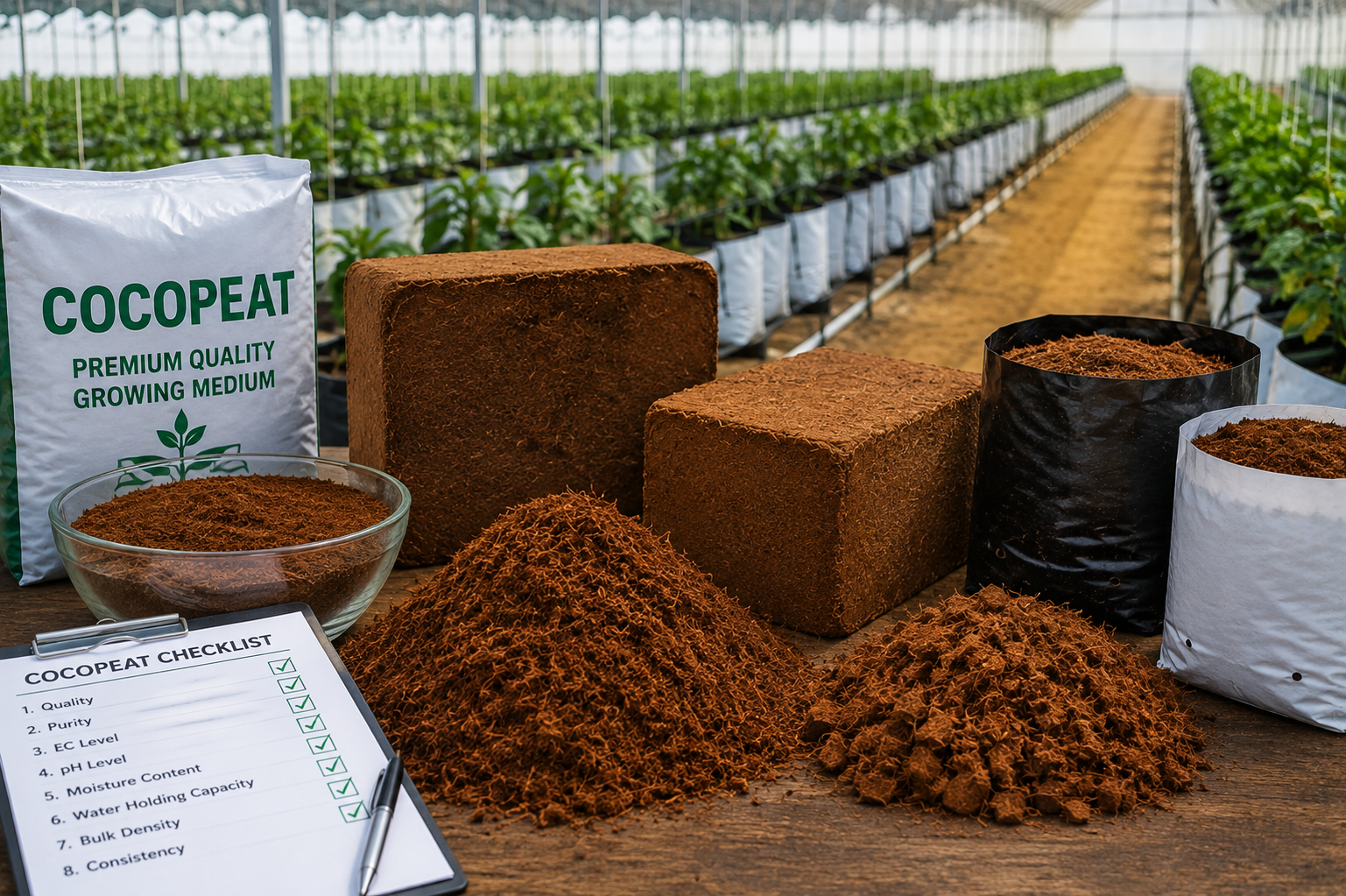
In commercial horticulture, cocopeat can be used in grow bags, slabs, greenhouse systems, nurseries and hydroponic applications. The right product depends on the crop, irrigation system and growing conditions.
Key Factors When Choosing Cocopeat
1. Consider Your Crop Requirements
Different plants have different requirements for moisture, drainage and root support. Before choosing cocopeat, consider the type of crop you are growing and the growing conditions required for healthy plant development.
Understanding your crop requirements can help you select a growing medium that provides an appropriate environment for roots throughout the growing cycle.
2. Check Moisture Retention
Moisture retention is an important factor when selecting cocopeat for commercial growing. A suitable growing medium should retain enough moisture around the roots while allowing excess water to drain away.
The right moisture balance can make irrigation management easier and help maintain consistent growing conditions for crops in controlled environments.
3. Look for Good Drainage and Aeration
Plant roots need both moisture and oxygen to develop in a suitable growing environment. Cocopeat with a porous structure can provide air spaces around the roots while allowing excess water to move through the growing medium.
Good drainage and aeration are especially important in commercial growing systems where irrigation is regularly managed according to crop requirements.
4. Choose the Right Cocopeat Format
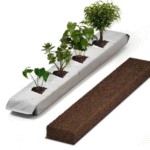
Cocopeat is available in different formats, including loose growing media, grow bags and slabs. The most suitable format depends on your crop, growing system, available space and production method.
Choosing the right format can make handling, installation and crop management more practical, particularly in greenhouse and commercial horticultural environments.
5. Consider Your Irrigation System
Your irrigation system should be considered when selecting cocopeat. Different growing systems deliver water in different ways, so the growing medium should be suitable for the chosen irrigation method.
Matching cocopeat with the irrigation setup can help growers manage moisture more effectively and maintain a consistent growing environment around plant roots.
6. Choose Consistent Quality
Consistency is important for commercial horticulture. Growers need a growing medium that can provide reliable performance throughout their production system.
When choosing cocopeat, consider the quality, consistency, format and suitability of the product for your specific crop and growing environment.
Cocopeat for Greenhouse Growing
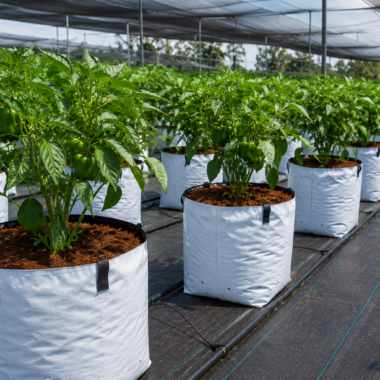
Greenhouse growing allows growers to manage important parts of the growing environment, including irrigation, temperature and growing media. Cocopeat can be used in greenhouse systems to provide a structured environment for plant roots.
Its moisture retention, drainage and aeration properties make it a practical option for controlled horticultural environments. Growers can select the appropriate cocopeat format according to their crop and greenhouse production system.
Cocopeat for Hydroponic Growing
Cocopeat is also commonly used in soilless and hydroponic growing systems. It provides physical support for plant roots while allowing growers to manage water and nutrients through suitable irrigation systems.
Depending on the crop and growing setup, cocopeat can be used in grow bags, slabs and other growing formats designed for controlled horticultural production.
How to Select the Best Cocopeat for Commercial Growing
Before selecting cocopeat for commercial growing, it is useful to evaluate your complete production setup. Consider your crop, growing environment, irrigation method and preferred growing format.
Before making your selection, consider the following factors:
- Type of crop being grown
- Required moisture retention
- Drainage and aeration requirements
- Growing system and container size
- Irrigation method
- Crop growing cycle
- Commercial production requirements
Taking these factors into account can make it easier to select a growing medium that fits your production requirements and supports effective crop management.
Why Cocopeat Quality Matters
In commercial horticulture, consistency plays an important role. Growing media are an essential part of the production system, so selecting a suitable and reliable product can help maintain more consistent growing conditions.
Instead of choosing a growing medium based only on price, growers should consider the product’s suitability, quality, format and compatibility with their crop and irrigation system.
Final Thoughts
Choosing the best cocopeat for commercial growing starts with understanding your crop and production requirements. Moisture retention, drainage, aeration, product format and irrigation compatibility are all important factors to consider.
Whether you are growing in a greenhouse, nursery or hydroponic system, selecting the right cocopeat can help create a suitable growing environment for your plants.
If you are looking for the best cocopeat for commercial growing in Australia, choose a growing medium that matches your crop, irrigation system and production requirements.
Explore Oz Bunji’s range of growing solutions and find the right cocopeat product for your growing needs.