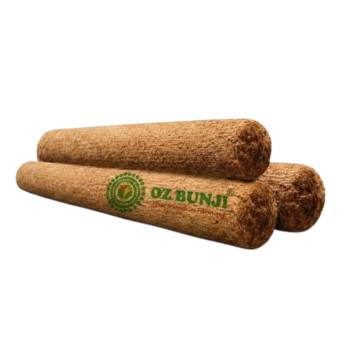
Coir Log
CoirLog is a tough, organic coir fibre roll wrapped in a sturdy coir mesh, perfect for controlling erosion and capturing sediment in…
Natural coir and jute products for erosion control, sediment capture and revegetation. Compare coir logs vs hay bales or read about coir mesh for erosion control.
CoirLog is a tough, organic coir fibre roll wrapped in a sturdy coir mesh, perfect for controlling erosion and capturing sediment in…
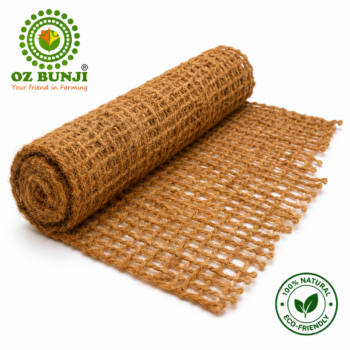
Coir Mesh is made from natural coconut fibres, offering a strong and flexible solution for erosion control. Ideal for stabilising slopes, riverbanks,…
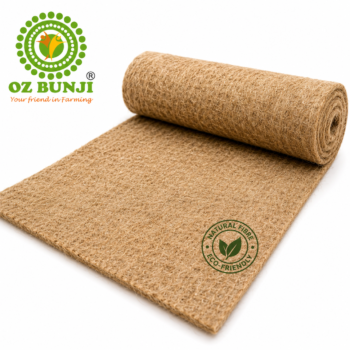
Jute Mat is an eco-friendly, biodegradable solution made from natural jute fibres, designed to prevent soil erosion and support plant growth. The…
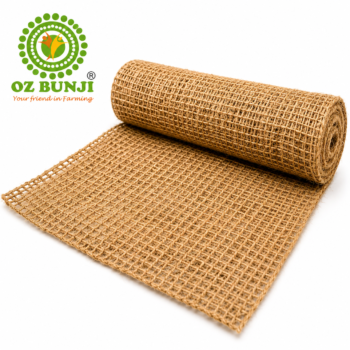
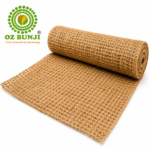
Jute Mesh is a simple, eco-friendly solution for erosion control and seed establishment. Made from loosely woven jute, it’s like a flexible…
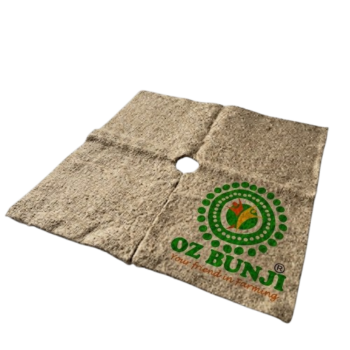
Jute Tree Mat Squares are made from 100% natural Jute fibers, helping to suppress weeds and retain moisture for your plants. As…
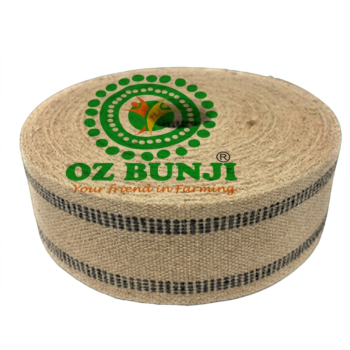
Jute Webbing is a strong, ecofriendly material perfect for stabilising newly planted trees. It biodegrades naturally over 1- 2 years and can…
Coir mesh is a strong, flexible coconut-fibre mesh for slopes and riverbanks. Jute mesh is a loosely woven, open net that lets existing vegetation grow through and traps wind-blown soil and seed. Jute matting is a needle-felted mat that covers the soil, protects seed from wind and water, and holds moisture for germination.
For many erosion and sediment control jobs, yes. Coir logs last longer, are easier to handle and don't carry the weed-seed risk of hay bales, which tend to break down quickly. See coir logs vs hay bales.
Yes. They are made from natural coir and jute fibres and break down over time, adding organic matter to the soil as plants establish. Jute webbing, for example, biodegrades naturally over 1–2 years.
Jute webbing is mainly used to stabilise newly planted trees. It is supplied in 50mm x 33m rolls.