Erosion can cause significant problems for slopes, drainage areas, riverbanks and other vulnerable landscapes. Choosing the right erosion control solution can help reduce soil movement, protect exposed areas and support vegetation establishment.
Coir Logs and hay bales are both used in erosion control applications, but they offer different characteristics and levels of durability. For Australian land managers, landscapers and rehabilitation projects, understanding these differences can help when selecting a suitable erosion control solution.
What Are Coir Logs?
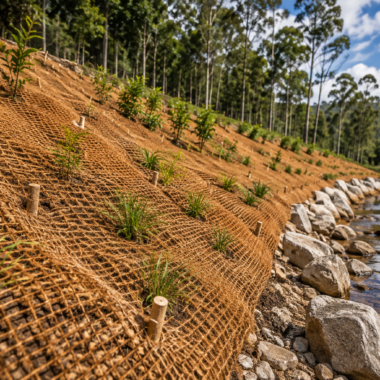
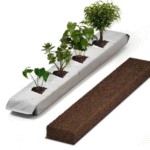
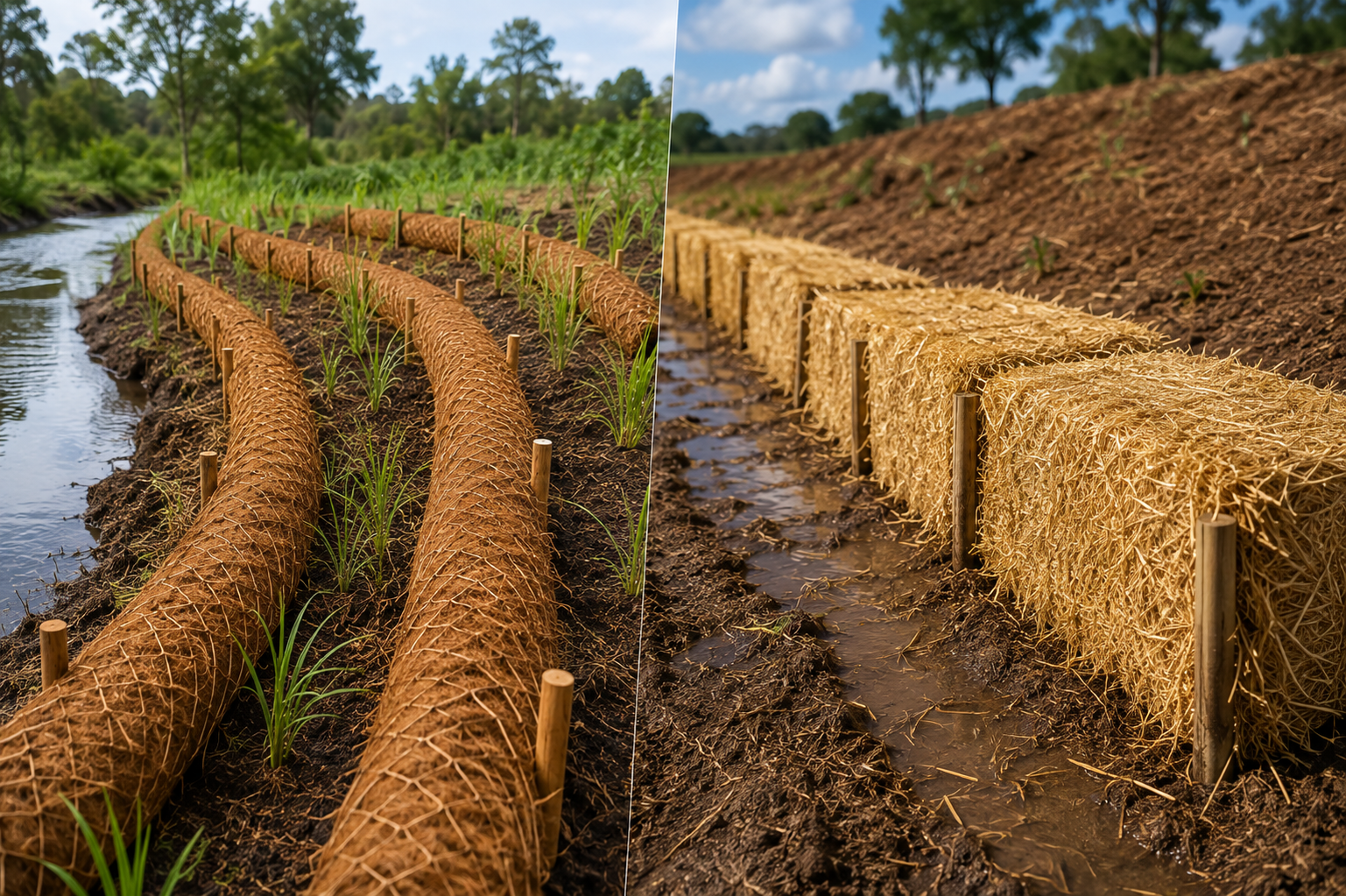
Coir Logs are erosion control products made from natural coconut fibre and enclosed within a strong coir mesh. They are designed to help slow water flow, capture sediment and provide protection for vulnerable areas while vegetation becomes established.
Coir Logs can be used in areas such as riparian zones, drainage swales, waterways, slopes and other locations where soil erosion needs to be managed.
What Are Hay Bales Used for in Erosion Control?
Hay bales have traditionally been used as a temporary erosion control method. They can help slow water movement and reduce soil loss in selected applications.
However, hay is an organic material that can break down relatively quickly. It can also introduce unwanted seeds into a rehabilitation area, depending on the source and application.
Coir Logs vs Hay Bales for Erosion Control
1. Durability
Coir Logs are made from strong natural coconut fibre and enclosed in coir mesh, providing a structured erosion control solution designed for demanding outdoor environments.
Hay bales can break down over time, which may reduce their effectiveness and require additional maintenance or replacement depending on the application.
2. Sediment Control
Coir Logs can help slow water movement and capture sediment in areas affected by runoff. This can support the stabilisation of vulnerable ground while vegetation becomes established.
Hay bales can also slow water flow in suitable applications, but their performance can change as the material breaks down and becomes less structurally stable.
3. Weed Seed Risk
Coir Logs are produced from coconut fibre and do not carry the same type of weed seed concern associated with some hay-based erosion control applications.
Hay can potentially contain seeds from the source material. This can be an important consideration for land rehabilitation and environmentally sensitive areas.
4. Supporting Vegetation Establishment
Coir Logs can provide a stable environment around vulnerable areas while plants become established. The natural coir material works alongside vegetation to support longer-term landscape stabilisation.
As vegetation develops, plant roots can contribute to soil stability and help strengthen the area naturally over time.
5. Environmental Considerations
Coir is a natural coconut fibre and Coir Logs are designed as biodegradable erosion control products. This makes them a suitable option for projects looking for more environmentally conscious erosion management solutions.
As the natural coir material breaks down, it can become part of the surrounding environment while vegetation continues to establish.
6. Suitable for Different Applications
Coir Logs can be used across a range of erosion control applications, including drainage swales, riparian areas, waterways, slopes and land rehabilitation projects.
Their structured design makes them a practical option for projects where controlling runoff and protecting vulnerable soil are important objectives.
Where Can Coir Logs Be Used?
Coir Logs can be used in a variety of environments where soil erosion and water movement need to be managed. They can be particularly useful for land rehabilitation, landscaping and environmental restoration projects.
Common applications include slopes, drainage swales, riparian zones, waterways and other areas exposed to water runoff.
Benefits of Coir Logs for Australian Projects
Australian landscapes can experience different levels of rainfall, runoff and soil exposure depending on the location. Erosion control products need to be selected according to the specific conditions and requirements of each project.
Coir Logs provide a natural and structured approach to erosion control while supporting vegetation establishment. They can be considered for projects ranging from landscaping applications to larger land rehabilitation initiatives.
How to Choose the Right Erosion Control Solution
Every erosion control project is different. Before choosing a product, it is important to understand the site conditions and the level of protection required.
Consider the following factors:
- Location and size of the project
- Level of water flow and runoff
- Soil type and site conditions
- Slope and landscape profile
- Vegetation establishment requirements
- Environmental considerations
- Long-term erosion control requirements
Understanding these factors can help land managers and rehabilitation professionals select an erosion control solution that is appropriate for the site.
Final Thoughts
Coir Logs provide a natural and structured approach to erosion control. They can help slow water movement, capture sediment and protect vulnerable areas while vegetation becomes established.
Compared with temporary hay-based solutions, Coir Logs offer durability, natural fibre construction and suitability for a range of environmental and land rehabilitation applications.
If you are comparing Coir Logs vs hay bales for erosion control, consider the site conditions, environmental requirements and long-term goals of your project before selecting a solution.
Explore Oz Bunji’s erosion control solutions and find the right product for your land rehabilitation or erosion management project.