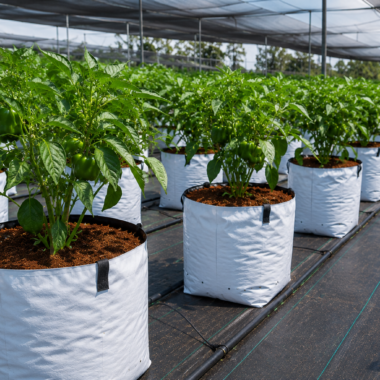
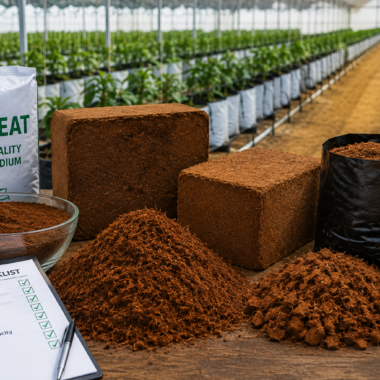
Coir pith is the fine, peat-like part of the coconut husk. It holds the most water and is used where moisture retention matters. Coir chips are larger husk pieces that add air space and drainage. A blend such as 70/30 pith to chips balances the two, and blends are the usual choice for container and grow bag production. Pick the mix based on your crop, container size, irrigation frequency and climate.
Coir (cocopeat) is made from the husk of the coconut. It is processed into different particle sizes, and the mix of those particles largely decides how a coir substrate behaves in the pot. This guide explains the differences and how to choose.
What is coir pith?
Coir pith (often simply called cocopeat) is the fine, spongy material between the husk fibres. It has a high water-holding capacity and a fine texture, which makes it useful for propagation, seed raising, potting blends and situations where the medium must not dry out quickly. On its own, in deep or frequently irrigated containers, it can hold too much water and leave less air around the roots.
What are coir chips?
Coir chips are small chunks of husk. They create larger pores, so the substrate drains faster and holds more air. Chips are used to open up a mix for crops that need plenty of oxygen at the roots, and in larger containers where pith alone would stay too wet.
Coir pith vs coir chips vs blends
| 100% coir pith | 70/30 pith-chip blend | 100% coir chips | |
|---|---|---|---|
| Water holding | Highest | Balanced | Lowest |
| Air space / drainage | Lowest | Balanced | Highest |
| Common uses | Propagation, seed raising, potting blends, moisture-sensitive crops | Containers and grow bags for many commercial crops | Mixing to open up a substrate; mulch; crops needing high aeration |
| Irrigation style | Less frequent | Moderate | More frequent |
Which coir mix is best for berries?
Blueberries and other berries grown in pots or grow bags generally need a well-aerated root zone, so growers usually use a blend with a meaningful share of chips rather than pure pith. The exact ratio depends on container size and how often you irrigate. See our full guide to growing blueberries in coir.
What else should you check when buying coir?
- Washing and buffering: raw coir can contain sodium and potassium. For commercial growing, ask whether the coir has been washed and buffered.
- EC: check the salinity of the drainage after wetting up and flush if needed before planting.
- Format: compressed blocks are economical to store and transport and expand when hydrated. Pre-filled grow bags save handling.
- Consistency: uniform particle size and low contamination give more predictable irrigation.
Coir products from Oz Bunji
- Coir Pith 5kg – 100%
- Coir Chip 5kg – 100%
- Coir Pith Chip 5kg – 70/30%
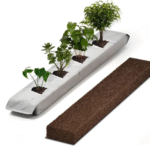
- Grow bags and grow slabs, including the Coco Grow range
For more background, read cocopeat for plants: benefits for Australian growers and how to choose cocopeat for commercial growing. Need help choosing a mix? Contact Oz Bunji for advice and bulk quotes.