A polytunnel is a hoop-shaped steel frame covered with plastic film. It is usually cheaper and quicker to build, and well suited to berries and vegetables. A greenhouse, in the broader sense, is a taller and more permanent structure, often with vertical walls, gutters and more ventilation and climate-control options. Which suits you depends on your crop, budget, site exposure and how much control you need over the growing environment.
Australian growers often use the two words interchangeably, and both are forms of protected cropping. This guide compares them on the points that usually decide the choice.
How do greenhouses and polytunnels compare?
| Factor | Polytunnel | Greenhouse (gutter-connected / permanent) |
|---|---|---|
| Frame | Steel hoops, single span or joined multi-span | Taller steel frame with vertical sides and gutters |
| Covering | Plastic film | Film, polycarbonate or glass |
| Upfront cost | Lower | Higher |
| Build time | Shorter | Longer, often needs footings and approvals |
| Ventilation | Roll-up sides and open ends | Roof and side vents, fans, screens |
| Climate control | Basic | Can be fully automated |
| Typical crops | Berries, vegetables, nursery stock | High-value vegetables, propagation, year-round production |
| Maintenance | Re-skin film at end of its service life | Covering and equipment maintenance; glass lasts longest |
When is a polytunnel the better choice?
- You want to protect a crop from rain, hail and wind without a large capital outlay.
- You are growing berries or field vegetables that need shelter more than tight climate control.
- You want to scale in stages, adding tunnels or spans over time.
- You may move or reconfigure blocks as rotations change.
When is a greenhouse the better choice?
- You need year-round production with heating, cooling or CO2 control.
- Your crop is high value per square metre and justifies automation.
- You need taller structures for vine crops or overhead equipment.
- You want the longest-lasting covering options.
What should Australian growers check before building?
- Wind rating: make sure the structure suits your local wind conditions, especially in coastal and cyclone-prone areas.
- Council requirements: check whether planning or building approval is needed for the size and type of structure.
- Heat: plan ventilation and shading for Australian summers. Many growers combine film with knitted shadecloth. See shadecloth percentages explained to pick a rating.
- Covering: choose film thickness, diffusion and UV properties to suit the crop. See how to choose greenhouse film.
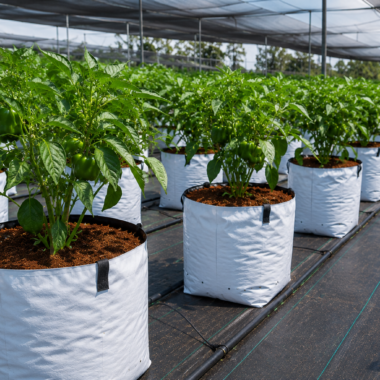
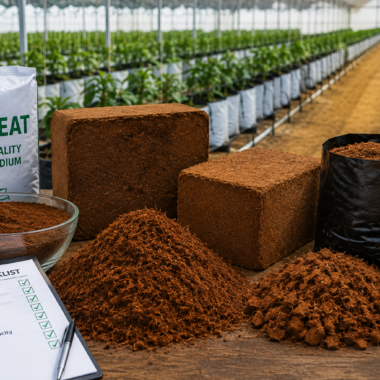
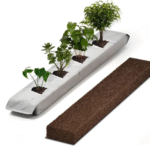
- Growing system: decide between in-ground and substrate growing (for example grow bags filled with coir) before you lay out rows and irrigation.
- Spare parts: keep film fixings, tunnel rope and a repair kit on hand.
Structures and parts from Oz Bunji
Oz Bunji supplies greenhouse kits for 9m x 51.5m structures (frames only, frames and wires, or frames, wires and doors), plus gutters, round tubing, winches and fittings, and berry and greenhouse film to cover them.
Weighing up a tunnel or greenhouse project? Contact Oz Bunji to talk through structures, film and fittings, supplied Australia-wide.