Protected cropping means growing crops under a structure or cover that shields them from weather, pests and other threats. It ranges from simple netting and shade houses, through plastic-covered polytunnels, to fully climate-controlled glasshouses. In Australia it is used widely for berries, vegetables, herbs, cut flowers and nursery crops.
Protected cropping has grown quickly in Australia as growers deal with heat, hail, heavy rain, birds and tighter water supplies. As reported in The Conversation, around 14,000 hectares of Australian fruit and vegetable crops were grown under some form of protection in 2023, about 17% of the total area, and most of that used lower-tech shade houses or netting. This guide explains the main structure types, their benefits and trade-offs, and the materials that go into them.
What are the main types of protected cropping structures?
Netting and shade houses
Frames covered with knitted shadecloth, hail netting or bird netting. They reduce heat, sunburn, hail and bird damage while letting air and rain through. This is the most common and lowest-cost form of protection.
Polytunnels
A polytunnel is a steel hoop frame covered with plastic film. Tunnels keep rain off the crop, warm the growing environment and can be vented through roll-up sides or open ends. They are widely used for berries and vegetables, either as single tunnels or joined multi-span blocks.
Greenhouses and glasshouses
Taller, more permanent structures covered with film, polycarbonate or glass, often with gutters, ventilation, heating, screens and automated climate control. They offer the most control and the highest yields per square metre, at the highest cost.
What is the difference between a greenhouse and a polytunnel?
A polytunnel is a type of greenhouse: a simpler, usually lower-cost hoop structure covered with plastic film. “Greenhouse” also covers taller gutter-connected structures with vertical sides, more ventilation options and more permanent coverings. In practice, many Australian growers use “polytunnel” and “greenhouse” interchangeably for film-covered structures. For a side-by-side comparison, see greenhouse vs polytunnel.
What are the benefits of protected cropping for Australian growers?
- Weather protection: less damage from hail, heavy rain, wind and extreme heat.
- Better quality and less waste: drier fruit and foliage, fewer marked or split fruit.
- Pest and bird exclusion: netting and enclosed structures keep birds and some insects out.
- Longer seasons: earlier and later harvests than open-field growing.
- Water efficiency: especially when combined with substrate and drip fertigation.
- More predictable yields: a steadier environment makes planning and labour easier.
What are the trade-offs?
- Capital cost: structures, coverings and fit-out are a significant investment.
- Heat management: enclosed structures can overheat without ventilation and shading.
- Wind and weather loads: structures must suit local wind conditions, including cyclone regions.
- Approvals: some councils require planning or building approval for larger structures.
- Maintenance: film needs replacing at the end of its service life, and tears need repairing.
How does protected cropping work with substrates and hydroponics?
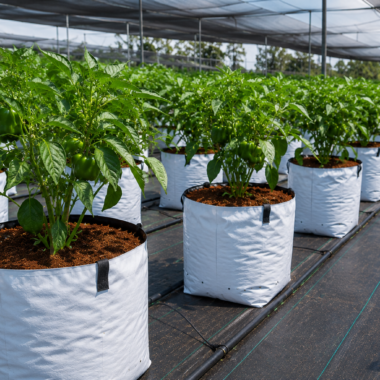
Many protected cropping operations grow in containers or bags of soilless substrate, such as coir, fed by drip fertigation, rather than in the ground. Combined with a cover, this gives control over both the climate and the root zone. Coir is popular because it drains well, holds moisture evenly and keeps its structure. See our guides on growing blueberries in coir and grow bags for commercial horticulture.
Materials used in protected cropping
- Coverings: berry and greenhouse film, including diffused film. See how to choose greenhouse film.
- Shade and netting: knitted shadecloth and bird netting.
- Structures: greenhouse frame kits, gutters, tubing and winches.
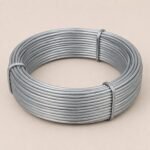
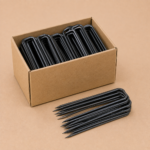
- Ground and support: weedmat, polyester wire, twine and tunnel rope.
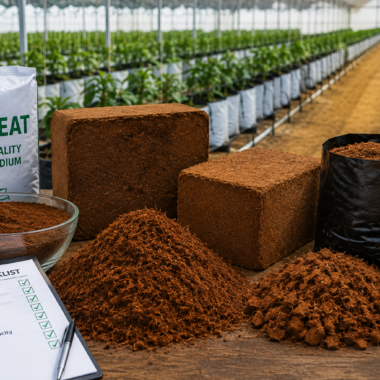
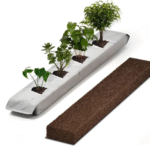
- Growing media: grow bags and grow slabs and cocopeat blocks.
Where can I learn more about protected cropping in Australia?
Protected Cropping Australia (PCA) is the peak industry body for commercial greenhouse and hydroponic growers. It runs events, regional tours and industry programs. State agriculture departments and Hort Innovation also publish research on protected cropping.
Planning a new tunnel, re-skinning a greenhouse or moving to substrate? Talk to Oz Bunji about film, structures, crop protection and coir, supplied Australia-wide.